
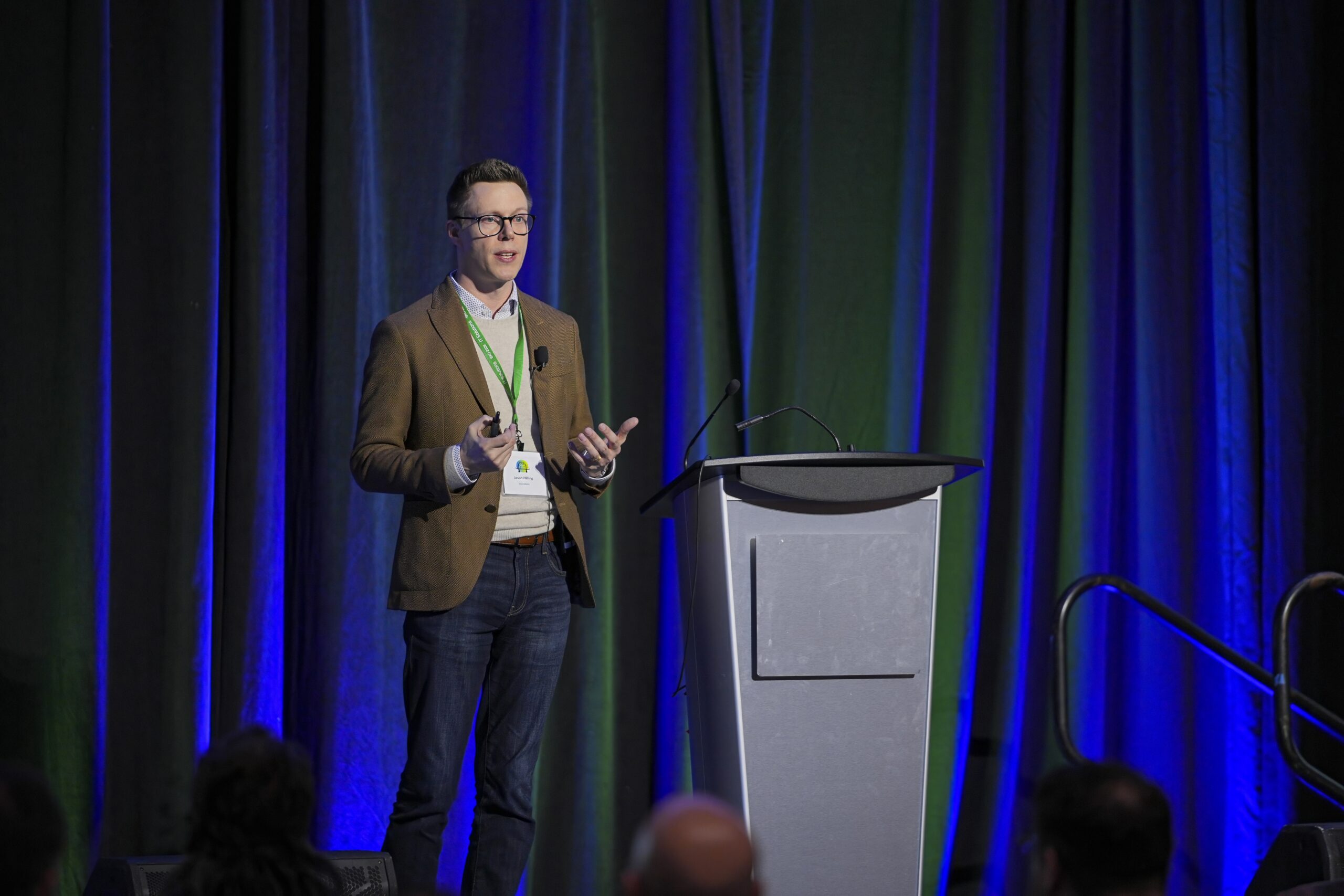
Summary: In this conversation with IT Solutions COO Jason Hilling, he breaks down how AI is used in real operational workflows within a modern MSP. Jason explains how tools like context-aware ticket resolution, sentiment analysis, and AI-assisted intake are reducing manual effort for service teams, improving response times, and enabling more proactive client support, while reinforcing why human expertise, workflow design, and strong security controls remain essential as most MSPs are still early in their AI maturity journey.
🟢 Identify where AI can reduce friction across your IT operations through an AI Readiness Evaluation from IT Solutions.
How has AI changed the way your team delivers managed services compared to where things stood a year or two ago?
Jason: AI has been a bit of a slow burn in the managed services industry. We’ve been paying close attention to how the technology is evolving and where it can create meaningful value—not just for our internal teams, but more importantly for our clients.
Today, we’re using AI in very targeted ways to augment how our analysts and technicians work. For example, AI agents now provide real-time, context-aware suggestions when a client opens a ticket. These tools review the client’s history, similar incidents across our customer base, and known resolutions to surface likely solutions immediately. That significantly speeds up troubleshooting and improves consistency.
We’re also leveraging AI to help analyze contractual scope, distribute workload more intelligently across our service desk, and accelerate reporting and analysis. In every case, the goal is the same: remove friction from service delivery so our teams can spend more time solving problems and engaging with clients at a higher level.
When you evaluate your service delivery model, what do you still rely on humans to do that AI can’t replace?
Jason: I love this question. I think IT is a deeply personal aspect of most of our clients’ businesses. Ultimately, IT is the collection of technology and systems that support the client’s own way of working, and an AI system is not really going to be able to replace the human interaction that supports that personalized working environment.
AI helps to take things off the table that distract from that personal engagement with our client — the busy work. By getting the busy work off the table, it provides more time for our people to use their deep skills, their understanding of the client’s operating environment, and their understanding of the personalities involved, to work directly with clients and provide the personalized level of service they expect.
Ultimately, it’s about the human aspect of how we work together and making sure AI becomes another tool in our portfolio to support our client engagement philosophy and the value we want to deliver as a trusted partner.
Where do you think the managed service provider market is today in terms of AI maturity?
Jason: I think overall, the MSP market is in its infancy with the usage of this technology. Many providers are still trying to figure out the right way to incorporate AI, and many who jumped in early are struggling to see tangible outputs and benefits.
Part of the reason is that to take advantage of AI, you have to go beyond just deploying the technology. You have to think about how it interacts with workflows and actually change those workflows to benefit from it.
At this point, most MSPs see AI as something that supports analysts and helps make their jobs more streamlined so they can reinvest time in higher-value things—helping organizations with IT strategy, cutting through data, and turning that data into intelligence and insight.
I think most providers will figure it out. It’s a crawl-walk-run journey. At ITS, our approach is pragmatic: we look for opportunities where our teams are spending non-value-added time, use technology to remove that, and allow technicians to pivot into higher-value client engagements. That’s what will separate providers who use AI effectively from those who don’t.
Can you share examples where AI has removed friction and noticeably improved client outcomes?
Jason: Absolutely. One is context-aware problem resolution. AI helps surface the most likely fixes for issues based on historical data, increasing first-contact resolution rates and improving accuracy over time.
Another is client sentiment analysis. By analyzing ticket history, communications, and reports, AI can help us identify potential friction in client relationships before it turns into a formal issue. That allows us to be proactive rather than reactive, something clients expect from a trusted partner.
We’re also piloting AI-assisted ticket intake. Often, clients don’t submit all the information needed to resolve an issue efficiently. AI can identify gaps, automatically request missing details, and prepare the ticket so our analysts can begin work immediately. That saves time for both our teams and our clients.
How does IT Solutions handle data privacy and security when AI is involved in service delivery?
Jason: The number of AI tools in the market is growing rapidly, and many make compelling promises. But adopting them haphazardly presents risk to both our business and our clients.
Many tools operate in environments where there’s little control over how data is used, including whether it’s used to fine-tune models. Our approach has been to be very cautious in the tools we employ. We work with tools that operate entirely within our local environment, ensure client-centric data segregation, and ensure that data isn’t used for future tuning.
We’ve been very selective to ensure that tools meet security criteria and align with regulatory frameworks such as GDPR. Security will always be at the forefront of how we evolve our AI strategy.
How is AI changing the economics of managed services, and how do those gains ultimately get shared with clients?
Jason: There’s a misunderstanding in the market that deploying AI will automate outcomes, grow MSP margins, and that clients won’t see benefits. The reality is different.
MSP environments are highly heterogeneous. Clients bring hundreds of vendors and thousands of technologies, and automating everything isn’t possible today. AI becomes a ride-along technology that augments analysts and frees up time for higher-value work.
It’s not fundamentally changing how MSPs operate to drive massive margin improvements yet. It’s about better outcomes and spending more time with customers. As technology evolves, the economy will change, and both clients and investors will benefit, but we’re not there yet.

About Jason Hilling
Jason Hilling is the Chief Operating Officer at IT Solutions, where he leads initiatives focused on service delivery excellence, process scalability and maturity, AI, tools and automation, and overall client success. He brings more than 25 years of cybersecurity, managed services, and leadership experience across domestic and international MSP and MSSP environments. Jason has held senior leadership roles at organizations including LevelBlue, NETSCOUT, IBM, and Internet Security Systems, Inc., helping businesses worldwide strengthen security, scale operations, and drive innovation.